Why Action Seekers Struggle With Folding
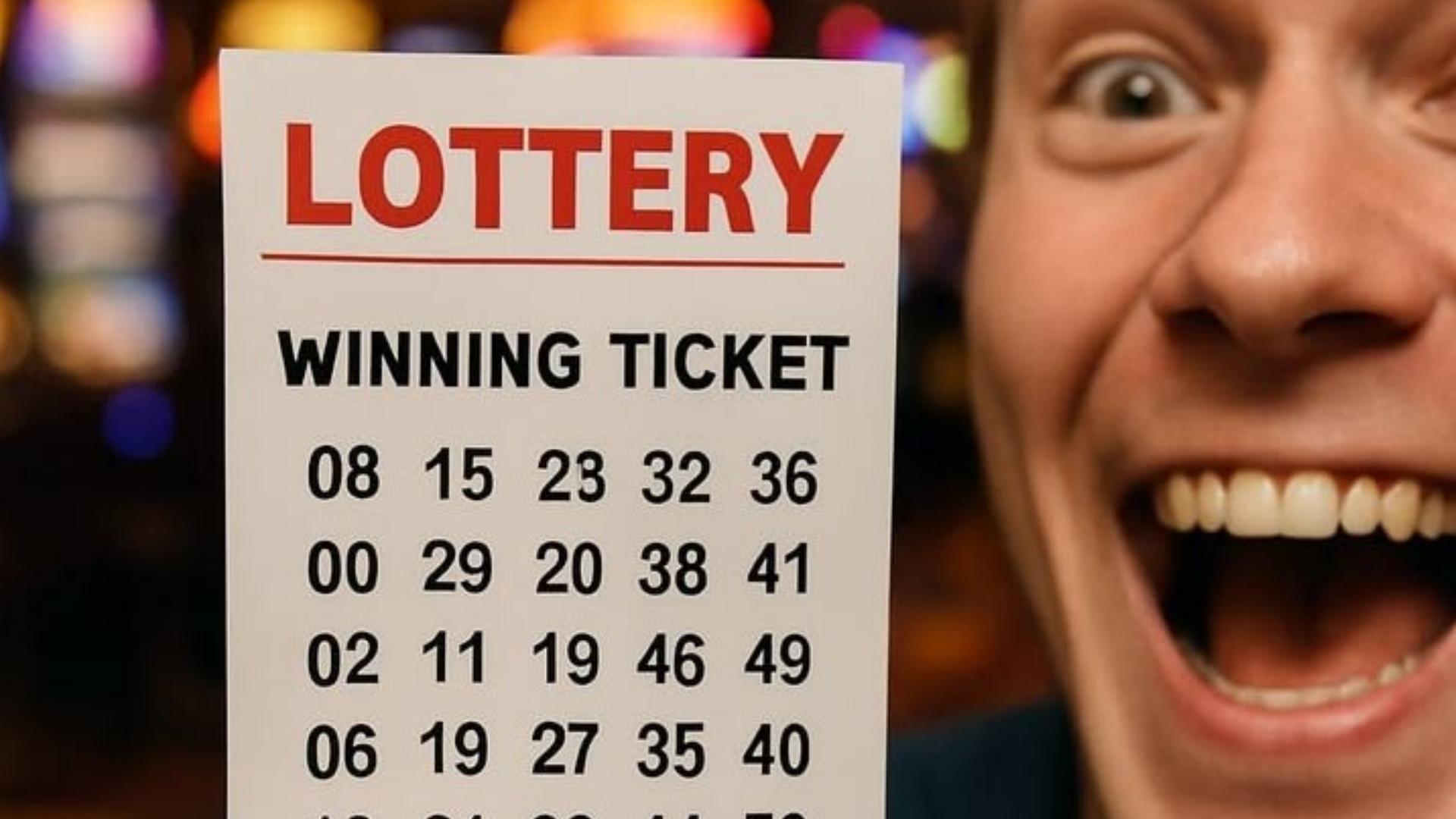
In competitive card games, players who crave constant excitement often find it difficult to execute one of the most fundamental strategic moves: folding. While releasing a hand preserved capital, action-oriented players frequently treat folding as a missed opportunity rather than a calculated defense. Understanding the underlying psychological traits of action seekers illuminates why laying down cards presents such a formidable mental hurdle.
The Psychological Drive for Constant Engagement
Action-oriented players are primarily motivated by the thrill of participation and the immediate sensation of risk. For these individuals, sitting idle through consecutive hands generates boredom and restlessness that cloud clear decision-making. Consequently, they often enter pots with suboptimal holdings simply to remain active in the game.
This intrinsic need for constant stimulation distorts how players evaluate prospective risk against potential reward. Rather than prioritizing long-term statistical advantages, action seekers focus heavily on the short-term thrill of seeing the next community card. Over time, this preference for activity over patience creates severe vulnerabilities in their overall strategic approach.
Overcoming the Fear of Missing Out at the Table
A major obstacle for action seekers is the persistent fear that folding will cause them to miss a winning opportunity. They frequently envision scenarios where a discarded hand turns into a massive pot, leading to intense feelings of regret. This cognitive bias pushes them to call bets even when the odds are heavily stacked against them.
To manage these emotional impulses, many enthusiasts study tactical discipline and gaming dynamics through platforms accessible via link alternatif m88 to refine their strategic awareness. Developing a structured framework helps players view folded hands as successful decisions rather than lost chances. Realizing that preserving chips is just as valuable as winning them is a crucial milestone for long-term progress.
Misinterpreting Patience as Passive Weakness
Action seekers often equate disciplined folding with weakness or a lack of competitive spirit at the table. Their ego drives them to defend hands aggressively, viewing a fold as a personal surrender to an opponent's pressure. This mindset transforms a simple tactical decision into an emotional battle for table dominance.
In reality, elite players recognize that selective aggression relies entirely on a foundation of disciplined folding. Releasing weak or speculative holdings allows competitors to conserve resources for moments when they hold significant statistical advantages. Reframe folding as an active, strategic boundary rather than a passive retreat is key to overcoming this trap.
Transitioning from Action Bias to Strategic Control
Breaking the habit of playing too many hands requires deliberate mental retraining and heightened self-awareness. Action seekers must learn to track their internal emotional triggers, noticing when impatience begins to dictate their choices. Replacing the impulse for continuous action with a focus on deep observation helps maintain focus during quiet stretches.
Ultimately, mastering the art of folding allows players to transform volatile instincts into controlled, deliberate execution. By prioritizing quality of play over quantity of hands, action seekers can achieve far greater consistency and confidence. Embracing restraint as a core strength remains the ultimate mark of a maturing competitor.