Recent Post
AC Valhalla Codex Pages Locations Map for Finding Every Hidden Page ...
Tracking down the lost lore of the Hidden Ones is one of the most rewarding long-term investments you can make while exploring ninth-century England in Assassin's Creed Valhalla. Scattered across diverse territories lie six historical documents that chronicle the early foundations of the brotherhood. Uncovering these items requires navigating forgotten underground environments filled with environmental obstacles and physics puzzles.
Understanding the Hidden Ones Bureaus
The documents you seek are securely stored inside ancient Roman ruins known as Hidden Ones Bureaus. These ruins are heavily isolated from the main pathways and require keen observation to locate their secret entryways. Once inside, players must solve structural puzzles involving movable objects, destructible walls, and underwater passages.
Successfully exploring these locations grants you access to unique armor pieces alongside the historical texts. Collecting all six remnants allows you to unlock a comprehensive historical compilation back at your settlement. This pursuit greatly enriches your understanding of the overarching narrative connection to previous games in the franchise.
Mapping the Northern and Eastern Regions
Your search begins in regional hubs like Ledecestrescire, where the Ratae Bureau lies hidden beneath ancient stone pillars. Players must drop a heavy hanging weight to shatter a weakened section of the floor to enter the subterranean corridors. Inside, the chamber holds both a piece of specialized equipment and your first major text document.
Moving eastward into the marshy landscapes of East Anglia leads trackers to the Camulodunum Bureau in Colcestre. This specific layout relies heavily on navigating flooded chambers and locating hidden keys to open barred doors. Maintaining a high level of patience ensures you will not miss the tactical openings required to reach the primary treasure chest.
Investigating Urban Ruins in the South
The grand city of Lunden hosts the Londinium Bureau, which features a cleverly hidden entrance inside a circular wooden structure. Navigating this interior requires precise parkour maneuvers over hanging platforms and shooting an explosive jar through a window grid. This dynamic environmental challenge highlights the clever design principles used by the ancient architects.
Further west in the beautiful territory of Glowecestrescire, explorers will discover the Temple of Ceres Bureau. This location challenges players with toxic gas corridors that must be cleared using your torch before safely advancing. Managing your health bars during these environmental hazards is essential for surviving the deep descent.
Conquering the Final Strongholds
The journey concludes with high-level territories such as Jorvik and Wincestre, which contain the final remnants of the brotherhood. The Eboracum Bureau in Jorvik requires diving into a deep pool near the city limits to access its sprawling network. This zone features multiple patrolling guards nearby, making a stealthy approach highly beneficial for players.
Finally, the Venta Belgarum Bureau in Wincestre tasks you with navigating deep water channels to reach the main office. Once you have acquired all six pages, returning to Hytham at Ravensthorpe triggers a special concluding sequence. Completing this historic questline provides unique rewards that significantly boost your character's combat capabilities during late-game conquests.

What Makes Digital Prize Events More Engaging ...
The landscape of online audience engagement has shifted drastically as static promotional campaigns give way to immersive digital prize events. Modern consumers expect interactive environments that provide immediate cognitive stimulation rather than simple passive participation. Understanding the distinct variables that enhance these events helps digital organizations design sustainable loops of community involvement.
The Psychology of Variable Reinforcement
Human behavior naturally responds to the thrill of unknown outcomes, turning simple anticipation into a strong emotional driver. When digital platforms introduce unpredictable rewards rather than fixed milestones, participants experience heightened focus and deeper engagement. This neurological mechanism ensures that the overall experience remains highly compelling over extended periods.
By transforming standard giveaway loops into dynamic milestones, developers successfully mitigate user fatigue. Modern entertainment sectors frequently implement these structures to keep their global audience continuously invested in competitive activities. The ongoing suspense of what might be disclosed next serves as a premier tool for brand loyalty.
Immersive Visuals and Real Time Feedback
The sensory presentation of a virtual reveal plays a critical role in shaping how valuable a prize feels to the recipient. Utilizing dynamic graphics, micro-animations, and strategic audio cues transforms a basic text notification into a memorable milestone. These elements ensure that even small tokens generate authentic enthusiasm among active participants.
Furthermore, instant distribution networks remove the historical friction associated with physical raffle procedures. Users can quickly verify their status, track live standings, and access updates on active platforms. Finding a reliable gateway, such as checking a link m88 terbaru hari ini, allows audiences to witness seamless transactional transparency in real time.
Democratizing the Winning Experience
Traditional digital competitions often favor individuals who possess specialized skill sets or excessive time investments. Modern prize structures solve this imbalance by introducing fair mathematical randomness that gives every participant an equal opportunity to win. This foundational equity fosters a much healthier and more inclusive community environment.
When everyday visitors realize that a significant milestone is achievable regardless of their background, baseline motivation rises. This structural accessibility encourages casual observers to transform into dedicated platform members. The perception of comprehensive fairness remains essential for maintaining long-term public trust.
Fostering Shared Social Camaraderie
The most engaging virtual events move beyond individual progression to create shared experiences across entire communities. When unexpected rewards drop, participants naturally share their excitement via integrated live chats, forums, and external social media channels. This collective interaction generates an organic buzz that attracts new audiences without aggressive marketing campaigns.
Discussing strategic outcomes and celebrating collective milestones elevates the activity from a solitary pastime to a vibrant event. The connection built during these periods of anticipation creates strong community ties that survive long after the final prize is awarded. Ultimately, it is this rich blend of personal excitement and social connection that defines modern digital engagement.

What Modern Casino Players Can Learn From Older Formats ...
The rapid shift toward digital automation has completely transformed how people experience table games and classic wagering systems. While online platforms offer unmatched convenience and swift payouts, looking back at historical gaming structures reveals a wealth of tactical depth that modern interfaces often streamline away. By analyzing how participants handled risk and communal interactions in traditional settings, today's enthusiasts can cultivate a much sharper strategic mindset.
The Value of Patience and Pacing
Traditional gaming rooms thrived on a deliberate rhythm dictated entirely by manual distribution and human calculations. Without random number generators delivering instant outcomes, participants enjoyed ample time to observe table conditions and adjust their approaches calmly. This slower tempo prevented impulsive decision-making and encouraged players to treat each round as an independent tactical problem.
Modern players can apply this historic lesson by actively resisting the urge to rush through software-driven sessions. Taking deliberate breaks between rounds helps preserve analytical clarity and mimics the natural pauses of classic brick-and-mortar setups. Embracing a measured pace is an excellent way to maintain emotional control during extended periods of play.
Spatial Awareness and Positional Strategy
In older table formats, a participant's physical seat relative to the dealer heavily influenced their access to live data. Acting later in the dealing sequence allowed players to evaluate the visible choices of their peers before committing their own capital. This spatial relationship turned simple mathematical tracking into a dynamic exercise in environmental observation.
While digital interfaces standardize visuals, understanding positional advantages remains incredibly useful across contemporary variants. Evaluating how information flows around a virtual layout can reveal optimal moments to adjust wagering sizes or choose safer options. Enthusiasts looking to explore these multi-layered table dynamics can visit a reliable platform like m88 malaysia to observe how modern software balances classic positioning with digital speed.
Community Dynamics and Mutual Risk
Centuries ago, many popular card variations featured shared financial responsibilities where players took turns backing the table funds. This structural setup transformed individual entertainment into a highly collaborative event where every personal choice impacted the collective group. The social accountability found in classic salons created an atmosphere where reputation and etiquette were just as vital as physical chips.
Modern enthusiasts often view gaming as a solitary pursuit against a centralized digital system, missing out on the communal spirit of the past. Engaging with live dealer options or participating in interactive multiplayer formats helps capture that traditional sense of shared excitement. Reintroducing the human element reminds us that wagering systems were originally designed as highly social, engaging public customs.

The Influence Of Color Placement On Spinner Expectations ...
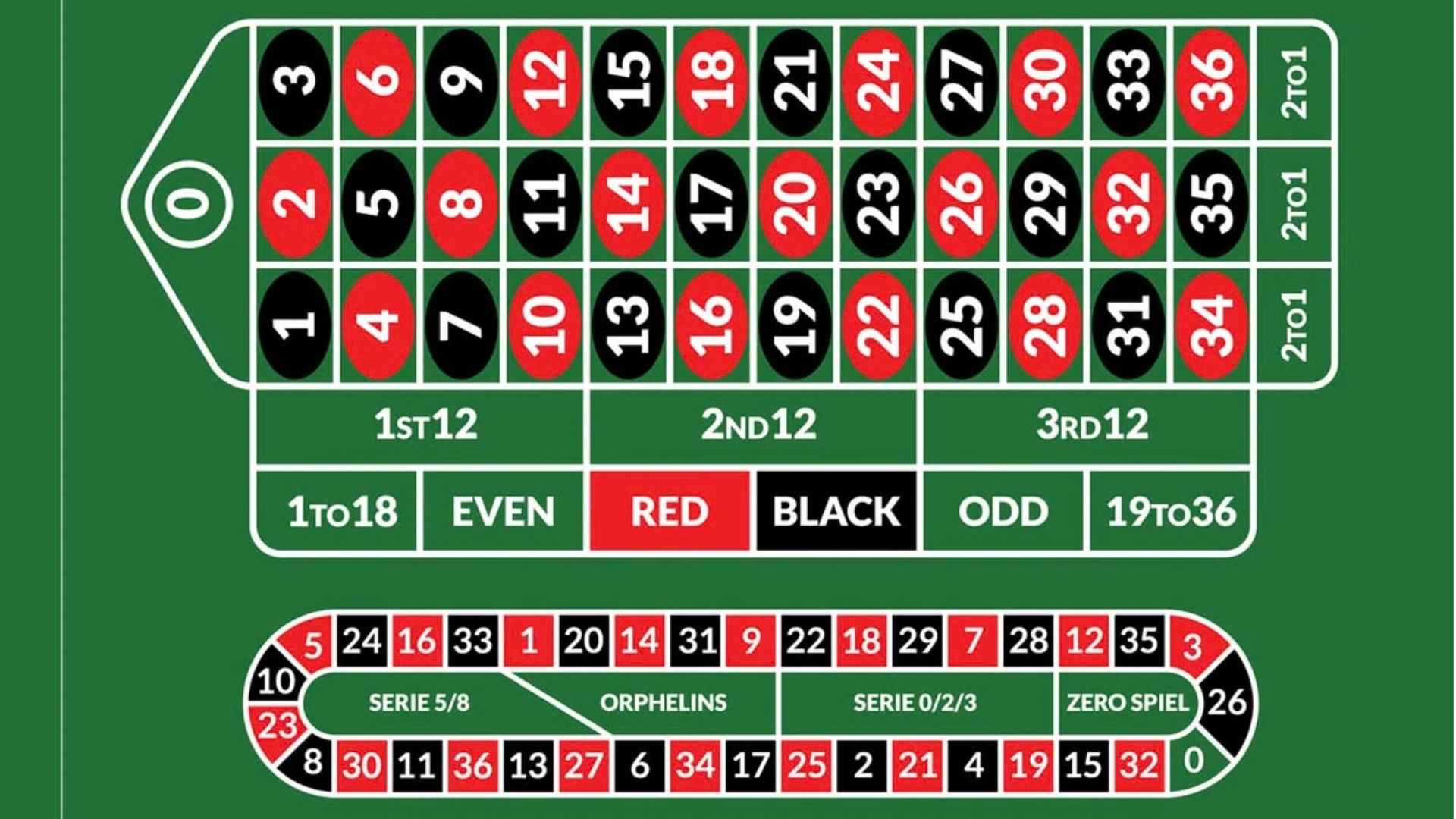
The visual design of a interactive spinning wheel plays a crucial role in shaping how users anticipate outcomes before the wheel even stops moving. Among various aesthetic choices, the strategic placement of distinct colors around a wheel significantly impacts cognitive perception and perceived probability. Understanding these visual dynamics helps digital interface designers create engaging, balanced experiences for their audiences.
Visual Contrast and Perceived Odds
When users look at a wheel, vibrant shades naturally draw the eye first, creating an immediate focal point. Slices with higher visual contrast often appear larger or more significant to the human eye, even when they occupy identical geometric angles. This psychological phenomenon alters how individuals estimate their chances of landing on a specific result.
Placing warm hues like red or bright orange next to cool tones like blue creates sharp visual boundaries. These stark transitions heighten user focus on the dividing line between segments, intensifying the emotional reaction as the pointer passes through different zones. Consequently, color placement serves as a subtle guide for user attention and expectation.
Spatial Symmetry and Emotional Comfort
Distributing colors in a balanced, symmetrical pattern instills a sense of fairness and predictability. When similar colors are grouped together, users subconsciously anticipate longer streaks or localized clusters. Conversely, alternating contrasting shades around the entire perimeter promotes a perception of continuous variety and equal opportunity.
Interface designers leverage these patterns to manage user engagement during digital interactions. Players seeking streamlined access to online platforms, such as those searching for a wd boss login, often appreciate intuitive and visually harmonious design layouts. Clear color organization reduces visual fatigue, allowing users to process visual information smoothly.
Color Psychology and Outcome Importance
Colors carry strong psychological associations that influence how valuable or rare an outcome feels. For instance, gold, green, or bright neon shades are frequently used for major prizes, naturally signaling high importance to the brain. Placing these high-value colors at specific intervals on a spinner creates distinct zones of heightened anticipation.
If a featured color appears sparingly, users automatically infer that the associated slice carries lower probability. The strategic arrangement of these visually weighted segments effectively builds dramatic tension as the wheel slows down. By carefully aligning color psychology with section placement, creators can craft more immersive and satisfying user experiences.
Most Powerful Mutant In Marvel ...
The debate surrounding the ultimate hierarchy of power in Marvel Comics frequently centers on iconic characters like Magneto, Professor X, and Jean Grey. While these individuals possess world-altering capabilities, the true pinnacle of mutant evolution stretches far beyond conventional telepathy or magnetic manipulation. Exploring the absolute limits of the X-gene reveals cosmic entities capable of reshaping the fabric of reality itself.
The Reality Warping Might of Franklin Richards
For decades, comic book historians and enthusiasts have pointed to Franklin Richards, the son of Reed Richards and Sue Storm, as a definitive benchmark for mutant power. His unique genetic structure granted him the ability to manipulate universal forces and create entire pocket dimensions spontaneously from his own imagination. This staggering level of control effectively placed him on equal footing with ancient cosmic deities.
The scale of his power was so immense that he routinely resurrected dying stars and commanded legendary entities during multiversal crises. Although his narrative origin has shifted through various editorial storylines, his historic feats remain the gold standard for what a mutant genome can achieve. His presence fundamentally redefined how humanity and cosmic beings viewed the potential of Earth's altered genetics.
Understanding Omega Level Classifications
To accurately evaluate these extraordinary characters, Marvel introduced the concept of Omega-level status to define individuals whose specific power sets have no measurable upper limit. This classification does not merely imply immense physical strength, but rather an absolute mastery over a specific aspect of the physical universe. Characters within this tier can manipulate matter, energy, or time on a microscopic or universal scale depending on their focus.
Among these elite figures, individuals like Legion and Monarch showcase how boundless energy can destabilize the timeline if left unchecked. David Haller, known as Legion, hosts thousands of distinct alter-egos within his psyche, with each personality wielding a unique reality-altering capability. This unpredictable variance highlights the immense danger and complexity associated with uncontrolled genetic supremacy.
The Legacy and Cosmic Threat of Mutant Gods
When mutant power reaches a cosmic threshold, it inevitably attracts the attention of foundational universal forces like the Phoenix Force or the Celestials. These supreme entities often seek out highly evolved hosts to enact cyclical destruction or rebirth across different galaxies. The intersection of terrestrial genetic mutation and primordial cosmic energy creates an unstoppable force that can threaten reality itself.
Understanding these upper limits allows readers to appreciate the sophisticated power balancing acts managed by comic creators over the generations. From pocket-universe generation to baseline temporal manipulation, these characters transcend standard superhero definitions to become living mythology. Tracking their evolution offers a fascinating glimpse into the expansive and ever-shifting landscape of modern graphic fiction.
Why Action Seekers Struggle With Folding ...
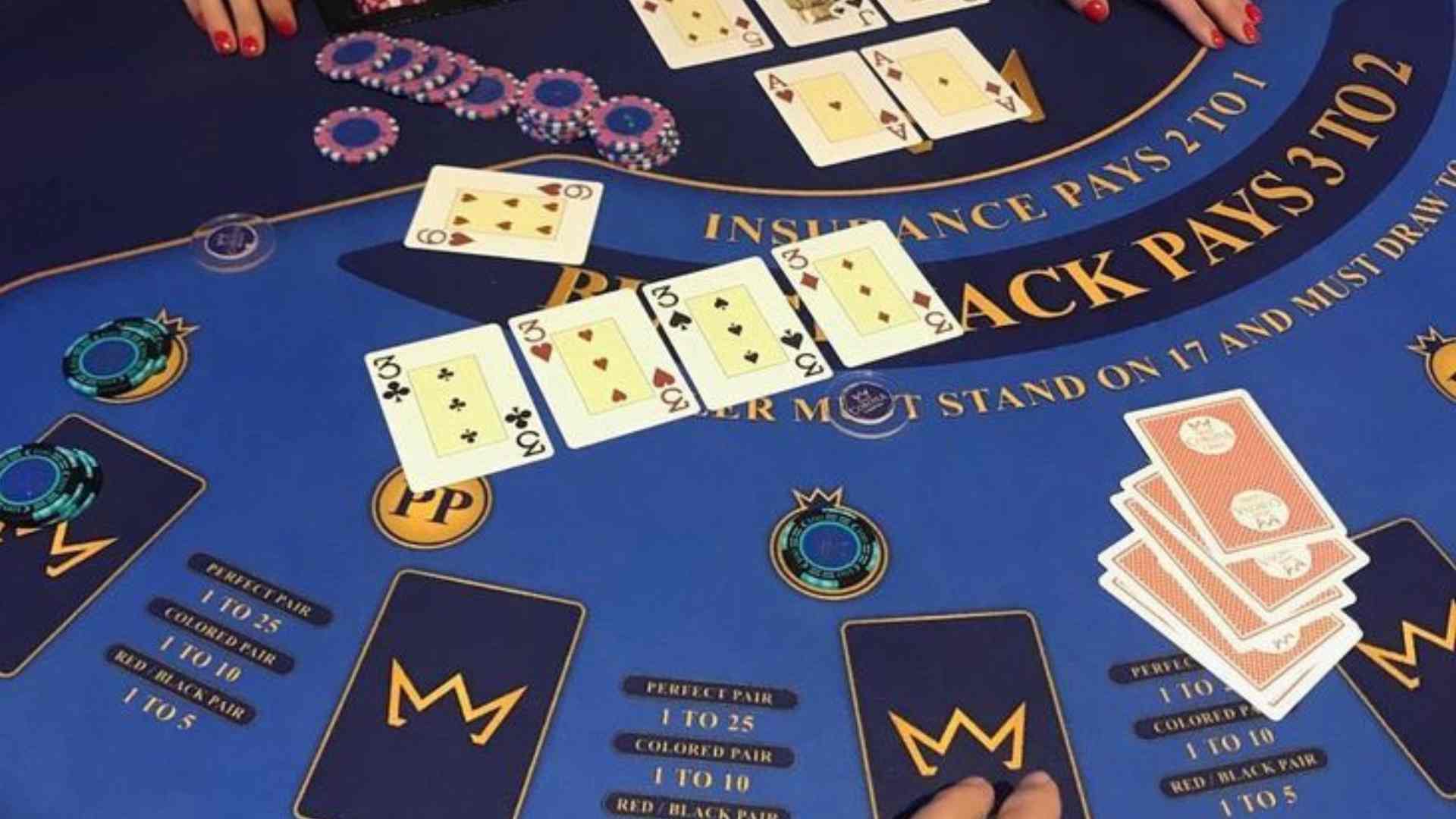
In competitive card games, players who crave constant excitement often find it difficult to execute one of the most fundamental strategic moves: folding. While releasing a hand preserved capital, action-oriented players frequently treat folding as a missed opportunity rather than a calculated defense. Understanding the underlying psychological traits of action seekers illuminates why laying down cards presents such a formidable mental hurdle.
The Psychological Drive for Constant Engagement
Action-oriented players are primarily motivated by the thrill of participation and the immediate sensation of risk. For these individuals, sitting idle through consecutive hands generates boredom and restlessness that cloud clear decision-making. Consequently, they often enter pots with suboptimal holdings simply to remain active in the game.
This intrinsic need for constant stimulation distorts how players evaluate prospective risk against potential reward. Rather than prioritizing long-term statistical advantages, action seekers focus heavily on the short-term thrill of seeing the next community card. Over time, this preference for activity over patience creates severe vulnerabilities in their overall strategic approach.
Overcoming the Fear of Missing Out at the Table
A major obstacle for action seekers is the persistent fear that folding will cause them to miss a winning opportunity. They frequently envision scenarios where a discarded hand turns into a massive pot, leading to intense feelings of regret. This cognitive bias pushes them to call bets even when the odds are heavily stacked against them.
To manage these emotional impulses, many enthusiasts study tactical discipline and gaming dynamics through platforms accessible via link alternatif m88 to refine their strategic awareness. Developing a structured framework helps players view folded hands as successful decisions rather than lost chances. Realizing that preserving chips is just as valuable as winning them is a crucial milestone for long-term progress.
Misinterpreting Patience as Passive Weakness
Action seekers often equate disciplined folding with weakness or a lack of competitive spirit at the table. Their ego drives them to defend hands aggressively, viewing a fold as a personal surrender to an opponent's pressure. This mindset transforms a simple tactical decision into an emotional battle for table dominance.
In reality, elite players recognize that selective aggression relies entirely on a foundation of disciplined folding. Releasing weak or speculative holdings allows competitors to conserve resources for moments when they hold significant statistical advantages. Reframe folding as an active, strategic boundary rather than a passive retreat is key to overcoming this trap.
Transitioning from Action Bias to Strategic Control
Breaking the habit of playing too many hands requires deliberate mental retraining and heightened self-awareness. Action seekers must learn to track their internal emotional triggers, noticing when impatience begins to dictate their choices. Replacing the impulse for continuous action with a focus on deep observation helps maintain focus during quiet stretches.
Ultimately, mastering the art of folding allows players to transform volatile instincts into controlled, deliberate execution. By prioritizing quality of play over quantity of hands, action seekers can achieve far greater consistency and confidence. Embracing restraint as a core strength remains the ultimate mark of a maturing competitor.
Where to Sleep in Rattay Kingdom Come Deliverance ...
Navigating the early hours of Kingdom Come: Deliverance can be a brutal experience as Henry transitions from a simple blacksmith's son to a citizen struggling to survive. Managing your energy levels is just as important as mastering swordplay because exhaustion directly negatively impacts your combat performance and vision. Finding a secure and reliable bed in the bustling town of Rattay ensures you can save your progress and fully heal your wounds before venturing back out into the dangerous wilderness.
The Comforts of Miller Peshek's Mill
Your first accessible resting spot sits just outside the town walls at Miller Peshek's homestead along the river. This safe zone becomes available immediately after you recover from the tragic events of the prologue sequence. The small bedside chest allows you to organize your heavy inventory while sleeping for free without any threat from local guardsmen.
However, players must remain mindful of their relationship with the local miller to keep this free sanctuary open. If you repeatedly ignore his initial side quests or fail to pay back your medical debt, he will eventually grow hostile and evict you from the premises. Keeping on his good side guarantees a reliable home base during your initial regional explorations.
Renting a Room at the Local Inns
For players who prefer to stay directly within active trading hubs, renting a bed at an inn offers exceptional convenience. Rattay features a prominent tavern located just outside the eastern gate that caters heavily to travelers and merchants. Speaking to the innkeeper allows you to pay a few Groschen for a single night or purchase permanent lodging for the rest of your journey.
Opting for the permanent rental choice is highly recommended because it links the room's chest directly to your global storage network. This means any items stored at the mill will instantly manifest inside your rented tavern room. Having quick access to your master gear right next to the town squares saves massive amounts of travel time during complex investigative quests.
Securing Lodgings Through Noble Service
Progressing through the main storyline eventually opens up prestigious and highly secure military quarters inside the castle structures. Once you officially pledge your service to Sir Radzig and join the local registry, you are assigned a designated bed in the lower castle guardhouse. This shared room provides an immersive option for roleplaying an active town guardsman during your daily shifts.
Later narrative achievements will reward your dedication with even more luxurious private quarters in the upper palace districts. These late game chambers completely eliminate the need to pay for tavern rooms or trek back down to the dusty river mill. Utilizing these noble suites ensures Henry rests like a true warrior of the realm.
Alternative Campsites and Wilderness Shelters
When resources are tight or night falls unexpectedly during an active mission, players can seek out unofficial sleeping locations scattered around the outskirts. Hidden woodland clearings and abandoned barn lofts occasionally feature rustic straw pallets that accept passing travelers. However, sleeping in unowned beds does not always guarantee an automatic game save unless explicitly marked by the user interface.
Tread carefully when resting in unauthorized urban zones as trespassing in private citizen homes triggers immediate legal penalties. If a local homeowner catches you sleeping on their furniture, they will quickly alert the night watch to have you arrested. Sticking to confirmed public shelters keeps your reputation pristine and your pocketbook safe from heavy court fines.

How To Improve Your Bridge Strategy Step By Step ...
Developing a strong bridge strategy requires patience, structured learning, and consistent evaluation of your decisions at the table. Rather than attempting to master every complex system at once, taking a step-by-step approach allows players to build solid habits that lead to long-term success. By breaking down the game into manageable components, you can systematically enhance your gameplay and achieve better results in competitive play.
Mastering the Fundamentals of Hand Evaluation
The first step in upgrading your bridge strategy is refining how you assess your cards during the bidding phase. Accurately counting high-card points and evaluating suit length provides a solid foundation for making smart decisions. Understanding when to upgrade or downgrade a hand based on card distribution prevents common bidding mistakes.
As you gain experience, evaluating partnership synergy becomes just as critical as analyzing individual hands. Enthusiastic players seeking convenient digital options can download the m88 app to practice evaluating hands in various simulated games. Developing a disciplined approach to hand evaluation ensures that your opening bids and responses remain reliable.
Formulating a Clear Plan Before Playing
Once the bidding concludes and the contract is set, taking time to formulate a strategy before playing the first card is essential. Declarers should immediately count their sure tricks and identify potential ways to develop additional winners. Planning several tricks ahead helps prevent unnecessary losses and keeps control of the hand.
Defenders must also adopt a structured planning routine by observing the dummy and listening to the auction signals. Recognizing which suits to target early can disrupt the declarer's plan and secure key defensive tricks. Pausing to construct a clear tactical outline before making a move dramatically improves overall decision-making.
Enhancing Card Tracking and Memory Skills
A crucial milestone in advancing your bridge strategy is tracking cards that have already been played during a match. Focusing initially on high cards and trump distribution allows you to deduce which key cards remain in opponents' hands. Over time, this tracking habit becomes natural and frees up mental energy for deeper strategic analysis.
Developing card memory requires consistent practice rather than complex memorization techniques. Asking yourself basic questions about suit splits after each trick reinforces active observation at the table. Strengthening these tracking habits equips you to make precise inferences in critical endgame situations.
Reviewing Hands to Refine Partnership Tactics
The final step in a progressive bridge strategy involves post-game analysis and open discussion with your partner. Reviewing tricky hands allows pairs to identify bidding misunderstandings and refine their defensive signaling agreements. Focusing on decision-making processes rather than final scores leads to continuous tactical growth.
Establishing clear agreements with a regular partner builds mutual trust and minimizes costly unforced errors. Analyzing past mistakes together transforms negative outcomes into valuable learning experiences for future sessions. Maintaining a structured review routine guarantees steady progress as you master the nuances of the game.
How Goalkeepers Improve Their One On One Saves ...
A one-on-one situation is one of the most intense scenarios a goalkeeper can face on the football pitch. When a striker breaks through the defensive line, the netminder becomes the final barrier preventing a certain goal. Mastering this specific art requires a blend of psychological composure, tactical positioning, and explosive physical execution.
Mastering the Geometry of Positioning
The foundation of stopping an oncoming attacker lies in the concept of narrowing the angles. By advancing off the goal line at the right moment, a goalkeeper physically reduces the amount of open net available to the shooter. This calculated movement forces the striker to make a rushed decision or attempt a much more difficult shot.
Timing is absolutely critical when deciding to leave the safety of the six-yard box. If a goalkeeper rushes out too early, they risk being easily chipped or bypassed entirely by a clever dribbler. Conversely, staying glued to the line gives the attacker total control over where to place the ball.
Developing High Level Reactive Footwork
Agility and lateral quickness are essential components that allow shot-stoppers to mirror an attacker's movements. Modern training regimens focus heavily on short, explosive footwork drills using ladders and cones to decrease ground contact time. This physical preparation ensures that the keeper can shift their weight instantly when a striker changes direction.
Maintaining a low center of gravity with a balanced stance keeps the goalkeeper primed to spring in any direction. Fans often check where to watch football to witness elite netminders execute these micro-adjustments in real time. Sharp reflexes mean nothing if the body is caught off balance when the final shot is struck.
The Psychology of the Wait and Block
Patience is often the defining factor that separates elite goalkeepers from amateur ones during a breakaway. Instead of guessing a side early, top professionals wait out the striker to make the first definitive move. Standing tall for as long as possible forces the opponent to second-guess their initial shooting plan.
When the shot is finally taken, executing a proper block technique can completely shut down the target area. Techniques like the spread or the K-block maximize the surface area of the keeper's body to block close-range attempts. This requires immense physical bravery as the keeper must throw themselves directly into the path of the ball.
Simulating Match Pressure in Training
Repetition under realistic conditions is the only way to build the muscle memory required for matchdays. Coaches regularly construct training drills that replicate defensive breakdowns to isolate the keeper against live attackers. These scenarios force the player to practice decision-making under intense cognitive fatigue.
Analyzing video footage of previous matches also provides valuable insights into positioning errors. By reviewing these clips, players can identify whether they rushed out too quickly or dropped their hands too early. Continuous refinement in practice translates directly into match-winning saves when everything is on the line.

Resident Evil 2 Chess Puzzle Solution ...
Navigating the murky sewers in Resident Evil 2 presents players with various challenges, but few are as iconic as the Monitor Room electronic plug challenge. To unlock the heavy door leading deeper into the facility, players must gather six unique chess-shaped plugs and insert them into their corresponding wall sockets. Understanding the subtle clues provided in the environment makes solving this puzzle much smoother for both Leon and Claire campaigns.
Locating the Required Chess Plugs
Before attempting to arrange the plugs on the wall, you must locate all six pieces scattered across the sewer complex. The Knight, Pawn, and Bishop are already placed in sockets inside or near the Monitor Room, while the King, Queen, and Rook must be collected from surrounding corridors. Finding the missing pieces requires navigating dark hallways filled with mutated creatures, so proper resource management is essential.
The King and Queen plugs are located in the Supplies Storage Room after solving a smaller gate puzzle. The Rook plug sits in a socket along the path to the Bottom Waterway, requiring a quick retrieval before heading back. Once all six pieces are safely in your inventory, you can return to the Monitor Room to begin the final arrangement.
Solving the Scenario A Chess Puzzle
For the first playthrough or Scenario A, the clues on the wall sockets give direct hints on where each piece belongs. Facing the door, the left wall requires the Knight in the back, the King in the middle, and the Bishop closest to the door. The right wall requires the Pawn in the back, the Queen in the middle, and the Rook closest to the door.
Placing each plug into its designated socket will complete the electrical circuit immediately. Double-checking the socket labels ensures that you do not mix up pieces like the King and Queen. Once every piece is installed correctly, the heavy door unlocks, allowing progression to the lower facility.
Solving the Scenario B Chess Puzzle
In the 2nd Run or Scenario B, the correct positions for the chess plugs change completely to keep players on their toes. On the left wall, you must place the King in the back, the Bishop in the middle, and the Queen closest to the door. On the right wall, the layout changes to the Knight in the back, the Rook in the middle, and the Pawn closest to the door.
This revised setup tests your attention to detail as the environmental clues shift from the first playthrough. Following this arrangement will quickly restore power to the door mechanisms without wasting unnecessary time. Once opened, you can prepare for the upcoming boss encounter that lies directly ahead.
Tips for Efficient Puzzle Solving
To optimize your run through the sewers, try to clear out key paths before collecting all the chess pieces. Carrying a weapon with high damage or bringing defensive items helps prevent unexpected damage while backtracking through narrow passages. Managing inventory space is equally vital so you have enough room for all six plugs at once.
Always verify your scenario before inserting the pieces into the wall sockets to avoid confusion. Memorizing the socket layouts saves critical time during speedruns or higher difficulty playthroughs. With the right preparation, unlocking the Monitor Room becomes a quick and satisfying milestone in your escape from Raccoon City.
Semua artikel sudah ditampilkan.